The Happier Life Project
The Happier Life Project is the official podcast from My Possible Self, the award-winning, free mental health and wellness app partnered with The Priory Group, supporting hundreds of thousands of users worldwide.
Life comes with stress, setbacks, and overwhelming pressures. Each week, journalist and broadcaster Gabby Sanderson sits down with world-leading psychologists, bestselling authors, and inspiring voices in wellness to unpack the challenges we all face. Together, they share simple, science-backed tools and actionable strategies to help you feel calmer, stronger, and more resilient.
Expect powerful, thought-provoking conversations on everything from managing anxiety and perfectionism, to setting boundaries, finding balance, and rediscovering joy.
🎙️ Main episodes drop every Tuesday, with bonus episodes every Friday.
If you’re ready for practical advice, honest stories, and expert guidance to help you live a happier, healthier life; hit play and join us.
Listen on:








Episodes
Tuesday Jun 25, 2024
Tuesday Jun 25, 2024
People drink for various reasons: to celebrate, socialize, commiserate, feel more courageous, alleviate boredom, or escape their troubles. Some people may also drink in an attempt to relieve the symptoms of mental ill-health.
The interplay between alcohol and mental health is intricate. But depending on alcohol as temporary relief for your mental well-being, can lead to additional problems and research has proven, excessive consumption often exacerbates these conditions.
You might view alcohol as a coping mechanism for managing depression, stress, anxiety, or other challenging emotions. You might not really like the taste of alcohol, but enjoy the feeling of being drunk or ‘letting off steam’. You might drink to feel socially lubricated and part of the community. Or perhaps it's become a part of your habitual 'wind down' routine.
But if you have quietly questioned your relationship with alcohol, or suspected you may rely on it too much, perhaps it might be time to take a different approach? Rest assured, if the thought of life without alcohol, or dramatically reducing your intake, makes you feel nervous or anxious. You are not alone. As Annie Grace said, 'alcohol is the only drug on earth you have to justify NOT taking.’Considering a different relationship with alcohol is a courageous and significant step, and there is no shame in doing so. The encouraging news is that while this may initially seem daunting or overwhelming, as you will hear in this episode of The Happier Life Project, numerous positive benefits await you on the other side.
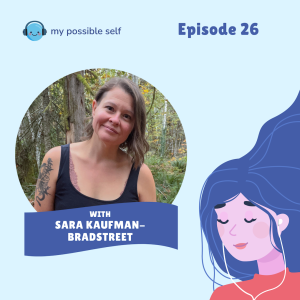
Sara Kaufman-Bradstreet is an alcohol free coach and the founder of 'No More Wasted Days'. After Sara quit drinking on her own, she cautiously shared her alcohol free journey on her personal FB page and realised there were people out there struggling with their relationship with alcohol just like she had. Sara now leads 30 day alcohol free challenges that allow people to experience an alcohol free life with guidance and support. She also leads an online community where she hosts weekly group coaching calls and is host of the No More Wasted Days podcast along with Heather P-G. Plus, Sara has a very active following on Instagram and TikTok having gathered an impressive following of people curious to re-evaluate their relationship with alcohol.
Talking to host Gabby, Sara shares her own personal journey breaking free from a life of nightly drinking and hungover days, to being five years sober. She also explains that the catalyst for her transformational change wasn’t hitting ‘rock bottom’ or deciding to quit alcohol. Rather, setting herself the challenge of 30 days to remain alcohol free and being so blown away by the improvement of the quality of her life, she hasn’t felt the desire to touch a drop since.
Sara shares with Gabby some alternate ways to replace the buzz from booze and illustrates how and why cutting out alcohol can enrich one's life rather than diminish it. Gabby and Sara also discuss re-discovering your identity and passions while remaining alcohol-free and navigating the dating scene without relying on liquor to serve as a wingman.
To download the My Possible Self App: https://mypossibleself.app.link/podcastTo follow My Possible Self on Instagram: https://www.instagram.com/mypossibleselfTo follow Sara Kaufman-Bradstreet on Instagram: https://www.instagram.com/no_more_wasted_daysTo follow Sara Kaufman-Bradstreet on TikTok: https://www.tiktok.com/@no_more_wasted_days
To sign up for the next 30 Day Challenge: https://nomorewasteddays.co/waiting-list-30-day-challenge/If you’re looking for support on your alcohol free journey, download Sara’s Alcohol Free Kickstart so you can start your journey with confidence: https://nomorewasteddays.co/
Tuesday Jun 18, 2024
Tuesday Jun 18, 2024
Shadow work refers to the psychological and emotional process of exploring and integrating the unconscious parts of the self, often referred to as the "shadow."
At its core, shadow work is about discovering what annoys, irritates, saddens, provokes, triggers or puts you on edge, and identifying the underlying causes for why they provoke such strong emotional reactions. It’s also about self-acceptance and reconciling with the aspects of your identity that carry any sort of unnecessary and unhelpful shame or guilt.
Concealing your shadow is a form of repression, and experts share that this may have mental health consequences. Your shadow self can lead to self-destructive behaviours such as self-sabotage, aggressiveness, power struggles, codependency, addiction, negative talk or you may experience mental health illness, like depression, anxiety and chronic stress.
Rather than addressing what’s hurting you, you turn that pain inward and take it out on yourself. But by working with our shadow and recognising and embracing those parts of ourselves, we can live a more fulfilling, peaceful and happy life.
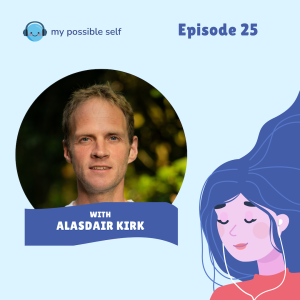
Alasdair Kirk is a counsellor, psychotherapist, certified shadow work facilitator and psychedelic integration therapist. Ali facilitates shadow work sessions as an effective method of supporting individuals into emotional resilience, authenticity and joyful living.
For Alasdair, shadow work is a form of deep process psychotherapy. It involves engaging with the shadow - those parts of ourselves that we ignore, repress, deny, fear, or feel ashamed of. These shadow aspects are often the unconscious forces behind our unhelpful behaviours, overwhelming emotions, and troubling life patterns; showing up as dissatisfaction, imbalance, disconnection or lack of fulfilment in our lives and within our relationships.
In this episode of The Happier Life Project, Alasdair explains the process of shadow work, its benefits and how shadows might manifest. He also shares how shadows are created, often generated from as far back as childhood. And why suppressing, ignoring or fearing them, can lead to significant emotional distress, until we recognize and accept them, allowing us to feel whole. Ali also offers guidance on how we might begin to meet and accept our shadow parts; to gain a greater sense of personal empowerment, a reduction in internal conflicts or psychological distress, and to free ourselves from living a life less fulfilled.
For more information on Shadow Work or to get in touch with Alasdair: https://www.inner-truth.co.uk/To download the free My Possible Self App: https://mypossibleself.app.link/podcastTo follow My Possible Self on Instagram: https://www.instagram.com/mypossibleself
Tuesday Jun 11, 2024
Tuesday Jun 11, 2024
In the second episode dedicated to exploring the complexities of modern dating and the ramifications negative experiences can have on our mental and emotional health, The Happier Life Project host Gabby Sanderson has lots more to share from a variety of psychologists and leading dating and relationship experts.
In the previous episode, Gabby discussed the emotional turmoil created by love bombers and those who breadcrumb and ghost. She looked at the psychology behind those who behave in such a way, and shared tools and techniques on how we might recover from the experience, and spot red flags earlier, so we are better equipped to protect our future wellbeing. (episode 23).
In this episode, Gabby begins by investigating the emotionally unavailable and avoidant types; who can leave the person they're dating feeling anxious, uncertain, on edge and confused, about why they suddenly pull away and withdraw. Then Gabby moves on to discuss how we can stop our mind from obsessing over the person we’ve been dating, who has let us down. And if we have been left injured by said love bomber, breadcrumber or ghoster and our self esteem and self worth has plummeted, Gabby offers some tips to build ourselves back up and get into a more positive mindset, so we can heal and learn from the experience and move forward in our love life.
Recent data shows that nearly half of Americans think dating is harder now than it was 10 years ago. This is undoubtedly due to the current landscape of modern dating. The process of dating often involves uncertainty about how the other person feels, which can cause significant stress and anxiety. Negative experiences, such as being ghosted or rejected, can undermine self-worth and lead to self-doubt. And poor communication and unresolved conflicts can lead to stress, anxiety, and depression.
Dating is a complex, multifaceted social interaction that can influence mental and emotional health in various ways. Its effects are influenced by individual experiences, the nature of the relationship, and personal coping strategies. Understanding and being aware of these potential effects, and seeking support when needed, can help reduce the negative impacts or outcomes, and amplify the positive experiences of dating.
To download the My Possible Self App: https://mypossibleself.app.link/podcastTo follow My Possible Self on Instagram: https://www.instagram.com/mypossibleselfTo follow Gabby on Instagram: https://www.instagram.com/radiogabby
Resources:
The Personal Development School’s Thais Gibson: https://university.personaldevelopmentschool.com/Rapid Transformational Therapist Marisa Peer: https://marisapeer.com/Women’s dating and confidence coach Amber Grubenmann: https://www.ambergrubenmann.com/Leading dating expert and confidence coach Matthew Hussey: https://matthewhussey.com/Self help and life coach Margarita Nazarenko: https://www.margaritanazarenko.com/Dating Coach Evan Marc Katz: https://www.evanmarckatz.com/Relationship coach and attachment style expert Stephanie Rigg: https://www.stephanierigg.com/Psychological Well-Being Practitioner Marios Georgiou: https://theprivatetherapyclinic.co.uk/therapists/marios-georgiou/
Tuesday Jun 04, 2024
Tuesday Jun 04, 2024
The complexities of modern dating can be challenging, and can significantly affect our mental and emotional health... Particularly if we have been on the receiving end of behaviour that is not kind.Terms like ‘love bombing’, ‘breadcrumbs', ‘ghosting' and ‘situationships’ have become so common, they are almost considered as acceptable codes of conduct. But the psychological effects can cause much stress, anxiety and a lack of self esteem.
In the first of two episodes of The Happier Life Project podcast, host Gabby Sanderson delves deep into the research conducted by mental health professionals and relationship coaches on dating. Sharing solutions and tools to help us heal and move on, if we’ve been left disappointed by someone we have started to date.
After a few great dates we can see people through rose tinted glasses. And if we are keen to pursue a relationship we can let things slide such as; lack of communication, hot and cold behaviour, or someone not actively making an effort to see us and progress the connection. Often we think ‘what did I do wrong?’ ‘What's wrong with me?’ and blame ourselves, rather than questioning the inauthentic and emotionally cruel behaviour of the person responsible for causing us turmoil.
Gabby explains why and how a love bomber disguises minimal intentions as maximum intentions. She also shares how to spot the red flags from time wasters, and why breadcrumbs are an emotionally manipulative tactic. Gabby reveals the reasons why ghosting says far more about the person and their shortcomings, who suddenly goes no contact, than it does about you. And offers suggestions on how we might learn from the experts and detach from trying to create a story from the story, move on,and redirect our energy into more positive areas of our life.
To download the free My Possible Self App: https://mypossibleself.app.link/podcast To follow My Possible Self on Instagram: https://www.instagram.com/mypossibleselfTo follow Gabby on Instagram: https://www.instagram.com/radiogabby
Resources:
The Personal Development School’s Thais Gibson: https://university.personaldevelopmentschool.com/Rapid Transformational Therapist Marisa Peer: https://marisapeer.com/Women’s Dating and Confidence Coach Amber Grubenmann: https://www.ambergrubenmann.com/Leading Dating Expert and Confidence Coach Matthew Hussey: https://matthewhussey.com/Self Help and Life Coach Margarita Nazarenko: https://www.margaritanazarenko.com/Dating Coach Evan Marc Katz: https://www.evanmarckatz.com/Relationship Coach and Attachment Style Expert Stephanie Rigg: https://www.stephanierigg.com/Psychological Well-Being Practitioner Marios Georgiou: https://theprivatetherapyclinic.co.uk/therapists/marios-georgiou/
Tuesday May 28, 2024
Tuesday May 28, 2024
Emotions play a crucial role in our overall mental health, acting as both messengers and influencers of our psychological well-being. Positive emotions like joy, gratitude, and love can enhance mental resilience, foster strong social connections, and improve our ability to cope with stress. But on the flip side, the more challenging emotions such as sadness, anger, jealousy or anxiety, if persistent and unaddressed, can contribute to mental health issues and illness. Understanding and managing our emotions has a positive impact on our wellbeing. By recognizing and processing our emotions, we are better equipped to deal with life’s challenges, manage strong feelings, achieve better emotional balance, enhance our mental clarity, and improve our overall quality of life.
But how do we learn to manage our emotions more effectively? For many we can feel at the mercy of our feelings, unaware that by drawing from simple techniques from within, we can help mitigate their intensity and reduce overwhelm.
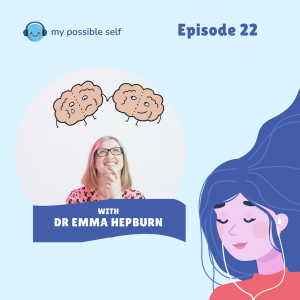
This is where Dr Emma Hepburn comes in. An award winning clinical psychologist, lecturer, author and illustrator, Dr Emma has written and illustrated the books ‘A Toolkit For Happiness’, ‘A Toolkit For Modern Life’ and most recently ‘A Toolkit for Your Emotions - 45 Ways To Feel Better’. Dr Emma Hepburn is also one of the most well-known psychologists on Instagram as @thepsychologymum and has won numerous awards for her contribution to mental health awareness.
Dr Emma talks to The Happier Life Project host Gabby about how emotions are made and where they come from. She shares how emotional habits are created and what it means to be on the emotional roller coaster of life, with all of its loop the loops. Dr Emma also explains how our past history and experiences influence our brain and body to create an emotional response; and ways we can objectively step back to review if how we are feeling is more of an echo from the past, rather than an appropriate response to the present. Dr Emma reveals some of her favourite tools to manage more difficult emotions and suggests ways we might break emotional patterns that are not helpful to us. The expert psychologist also explains why we should never feel ashamed of our emotions and how we can positively influence others towards the feel good feelings too.
'A Toolkit for Your Emotions' helps readers to navigate and understand their emotions effectively. Taking a deep dive into how we feel, Dr Emma explains all the tools we need to intercept and redirect challenging emotions by offering practical strategies, exercises, and insights. Each topic is illustrated with Dr Emma's well-loved illustrations to make them accessible, meaningful and memorable. To purchase 'A Toolkit For Your Emotions' on amazon: https://amzn.eu/d/aXJOfnITo follow Dr Emma Heburn on Instagram: https://www.instagram.com/thepsychologymum
To download the free My Possible Self App: https://mypossibleself.app.link/podcast To follow My Possible Self on Instagram: https://www.instagram.com/mypossibleself
Tuesday May 21, 2024
Tuesday May 21, 2024
If you have trouble falling asleep or staying asleep, you’re not alone. According to sleepfoundation.org adults need seven or more hours of sleep per night. However more than one-third of adults sleep less than seven hours per night on average, and up to two-thirds of adults occasionally experience insomnia symptoms.
We know that sleep is critical not just for our physical health, but our mental and emotional wellbeing too. If you're sleep deficient, you may have trouble making decisions, solving problems, controlling your emotions and behavior, or coping with stressful situations and change.
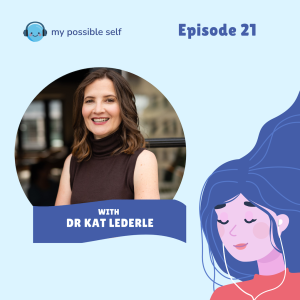
Dr Kat Lederle is a sleep and body clock scientist, author, and sleep coach, who is passionate about helping others sleep well and feel good. Dr Kat sees sleep as an act of self-care, and in her work with clients combines sleep science, with learnings from Mindfulness, Acceptance Commitment Therapy and Compassion Focused Therapy.
Dr Kat talks to host Gabby about how a busy mind is the cause of many sleep problems, and why there is a 40-70% higher prevalence of insomnia in women compared to men. Dr Kat addresses some of the sleep myths and explains why we need to let go of ‘sleep rules’, leading to sleeping well again. Plus, Dr Kat shares her thoughts on how we might overcome bedtime procrastination, and some of the reasons why she believes many do not prioritize sleep enough.
Dr Kat also explains how we can work with our body clock in a gentle and compassionate way, thereby setting ourselves up for a better night's sleep.
To find out more about Dr Kat and her sleep coaching methods: https://drkatsleep.com/Check out Dr Kat’s book ‘Sleep Sense’ which takes the reader through the science of sleep and why it is important for every single one of us, empowering you to take steps that are right for you to sleep well.
To follow Dr Kat on Instagram: https://www.instagram.com/drkatsleep/To download the My Possible Self App: https://mypossibleself.app.link/podcast To follow My Possible Self on Instagram: @mypossibleself
Monday May 13, 2024
Monday May 13, 2024
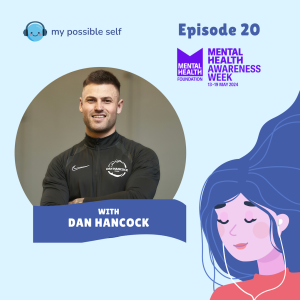
To mark this year's Mental Health Awareness Week theme, ‘Movement: Moving more for our mental health’, The Happier Life project went back into the archives to repurpose an interview host Gabby did with mental health and exercise coach Dan Hancock.Dan, who goes by ‘The Mental Health PT’ online, passionately believes in doing what works for you and you enjoy; is the key to a healthy, long lasting relationship with exercise.
There are many reasons why physical activity is good for your body, but what often gets overlooked is the vast ways it can improve our mental and emotional health too. Participation in regular physical activity can increase our self-esteem, improve our mood and reduce stress and anxiety. It also can play a pivotal role in preventing the development of mental health problems, and in improving the quality of life of people experiencing mental health challenges.
So why do so many of us struggle to move more? In this episode of The Happier Life project, Dan and Gabby talk about getting over the hurdle of gym intimidation, why aggressive fitness plans, or ‘quick fixes’ are not the answer, what to do when we lack motivation, and working with what works for you.
Dan also talks about the numerous ways exercise plays a vital role in our mental health and how this inspired him to create the world’s first certification in Mental Health and Exercise Coaching.This episode will serve as a great motivator for both those who are wanting to move more and those already on their fitness journey.
For more on Dan’s Mental Health Exercising Coaching program: https://mymhec.com/To follow Dan on Instagram: @mentalhealthpt To download the free My Possible Self App: https://mypossibleself.app.link/podcastTo follow My Possible Self on Instagram: @mypossibleselfTo watch the video of this interview head to our YouTube channel: https://www.youtube.com/@mypossibleself1756
Note, The My Possible Self App is free to download and access all of its content. We have a variety exercise and movement videos created with your mental health in mind which you can find in the nutrition and exercise tab. Try yoga, pilates, strength, cardio... plus we even have a foundation for fitness program, for those at the start of your movement journey.
Tuesday May 07, 2024
Tuesday May 07, 2024
Have you ever felt detached from your own life? Disconnected from yourself? Like you were an outsider looking in at your own existence? Going through the motions, emotionally numb, emotionally disconnected from people you care about? Or maybe you've looked at your environment and everything appears foggy? You feel unable to see your surroundings accurately, they lack vividness and coloring? Things don't seem real?Does this get in the way of your relationships and work? Or disrupt other daily activities?
Temporary feelings of depersonalization and derealization are common. About one half of people have felt detached from themselves (depersonalization) or from their surroundings (derealization) at one time or another. But if this is happening more frequently, or becomes a common occurrence; then you may be suffering from depersonalization-derealization disorder.
Depersonalization-derealization disorder (DP/DR) is a mental health condition where you feel disconnected from your body, your feelings and your environment. It tends to come and go over a long period of time, causing much distress and anxiety.
Depersonalization-derealization disorder is thought to be caused by trauma or extreme stress. Adverse early childhood experiences, specifically emotional abuse and neglect, have been linked to the development of depersonalization symptoms. Feelings of depersonalization and derealization are common from significant stress or panic attacks. Individuals may remain in a depersonalized state for the duration of a typical panic attack. However, in some cases, the dissociated state may last for hours, days, weeks, or even months at a time. In rare cases, symptoms of a single episode can last for years.
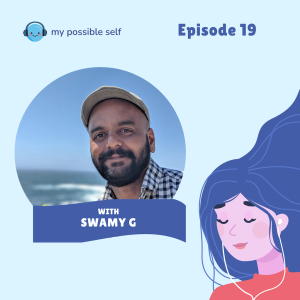
Swamy G is a counselor who regularly writes about depersonalization (DP) and derealization (DR) at https://acoachcalledlife.com/ Having personally gone through the challenges of DP/DR and overcoming them, he created a comprehensive online program to help others fully recover from DP/DR. In this conversation, you’ll learn how the disorder is more common than you might think, and how and why many of us can struggle from depersonalization and derealization during our life. You’ll also learn all about the symptoms and stress factors, what to do if someone you care about might be suffering from, and how, with time and tools, we can recover.
To work with Swamy G and/or learn more about depersonalization (DP) and derealization (DR): acoachcalledlife.com
To access Swamy’s comprehensive online DP/DR program: DPDR No More
To download the free My Possible Self App: https://mypossibleself.app.link/podcast
To follow My Possible Self on Instagram: @mypossibleself
Wednesday Mar 20, 2024
Wednesday Mar 20, 2024
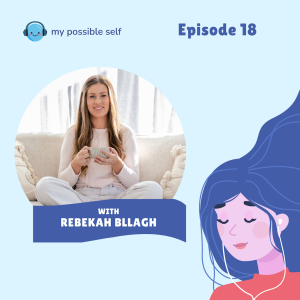
When it comes to improving our mental well-being, practising calm is one of the best places to start. Clarity of mind is extremely important when you are dealing with stress, problems and emotional turmoil. And remaining calm in times of turbulence and chaos, allows us to think more logically and make decisions accordingly.
Rebekah Ballagh is the bestselling author and illustrator of 'Note to Self', 'Note to Self Journal', 'Words of Comfort', 'Be Your Best Self', 'Big Feelings' and 'Let's Go, Flo!' She's a qualified counsellor, somatic and nervous system regulation coach, trainer, speaker and the creator of popular Instagram community @journey_to_wellness_ Rebekah’s latest book '101 Ways to Find Calm - How to use your body to soothe your mind', offers simple, powerful tools to teach you how to safely feel and process your emotions, rewire your brain and nervous system, and how to deeply connect with yourself.
In this episode of The Happier Life Project Becks shares some of her favourite calming exercises from the book, whilst discussing with host Gabby why so many people around the world struggle with finding calm. Rebekah also talks about why it’s so important to complete the stress response and sit with and digest difficult emotions, in order to come to a more peaceful place in the body.
Gabby and Becks also look at the most common reasons why the brain won’t allow us to relax, and what we can do to override or disengage the body’s stress response - when it is unnecessarily activated.
To learn more about Rebekah’s courses, book and membership program: www.journeytowellness.online
To be part of Rebekah’s Instagram community: @journey_to_wellness_
To download the free My Possible Self App: https://mypossibleself.app.link/podcast
To follow My Possible Self on Instagram: @mypossibleself
Tuesday Mar 12, 2024
Tuesday Mar 12, 2024
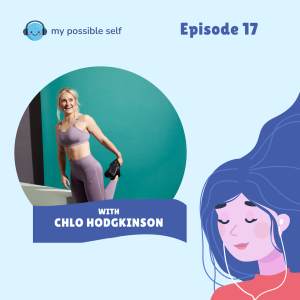
Hormones are essential for life and your health. They affect everything from blood sugar to blood pressure, growth, fertility, your sex drive, metabolism, and even sleep. Hormones are so important they influence the way we think and act day to day.
The menstrual cycle is regulated by hormones. So if we are having irregular periods, bleed between periods, bleed more heavily than usual, or develop severe pain during our period; this could be an indicator our hormones are out of wack.
Chlo Hodgkinson is a PT and Coach that has learned and trained to work with hormones and the menstrual cycle after recovering from her own journey with disordered eating and relative energy deficiency. After fully rehabilitating and healing her relationship with food and exercise, Chlo turned to social media to raise awareness on amenorrhea (the absence of menstruation). Then went on to become a coach to help clients get back to training after amenorrhea, as well as staying on track with their recovery and supporting them on that journey.
Chlo is passionate in helping females recover from disordered eating, amenorrhea, diet culture and learning to workout with the menstrual cycle. Chlo is also part of The My Possible Self team and creates content for our social channels.
Chlo speaks candidly about her journey with disordered eating habits and overtraining and why losing her period was the catalyst towards her seeking help to heal her hormones and regain her menstrual cycle.
Chlo shares the signs to look out for your hormones may be imbalanced and what steps you need to take to get the help you need. Chlo and host Gabby also talk about the pressures society puts on females particularly when it comes to what is regarded as a ‘healthy’ body image. And Chlo also explains the significant relationship between anxiety, food and exercise.
To follow Chlo on Instagram: https://www.instagram.com/chlohodgkinson/
To download the free My Possible Self App: https://mypossibleself.app.link/podcast
To follow My Possible Self on Instagram: @mypossibleself